Insights Interview on Station-Based Car Sharing with Hertz 24/7
Summary
We interviewed Sabine Wagner, Director Mobility Solutions Europe at Hertz 24/7, about her expertise in station-based car sharing across European countries like Germany, UK, Italy, France, and Portugal. We focused on questions dealing with the digitization of car rental, her takeaways of running a pan-European fleet, their service offer for rideshare companies, and the benefits of business car sharing.
Hertz 24/7 operates a fleet of approximately 1,600 vehicles in more than 700 locations. Their operation run on one technology platform that supports multiple business models including corporate, hourly, car and van sharing. They offer both ICE vehicles and EVs and focus on B2B use cases while also leveraging B2B2C opportunities.

The European car sharing market is complex, featuring a diverse range of business models implemented on the streets. Operators employ various strategies, such as station-based services, peer-to-peer car sharing, and free-floating services, to address distinct use cases and offer distinct services. In addition, the European car sharing market is one of the largest and the most complex in the world. To address and explain some of these complexities, INVERS publishes their INVERS Mobility Barometer on “European Car Sharing 2025”. This 76-page report helps car sharing operators quickly understand key market dynamics, insights, and trends.
Table of Contents
How would you evaluate the ongoing digitization of traditional car rental offers? To what extent are future car rental offers becoming more like car sharing offers?
The digitization of car rental is fundamentally reshaping how customers interact with mobility services, and their expectations have shifted towards seamless digital experiences. This transformation is blurring the traditional boundaries between car rental and car sharing, creating models that combine the best aspects of both.
Keyless access technology and comprehensive app-based booking systems are becoming standard offerings. We’re also seeing the adoption of more flexible pricing models, including subscription-based options that mirror the convenience and predictability that car sharing services have pioneered. Behind the scenes, advanced fleet utilization analytics and remote management tools are dramatically improving operational efficiency, allowing us to optimize vehicle placement and maintenance schedules in real-time.
What takeaways can you share when comparing your various Hertz 24/7 locations across different European countries?
Hertz operates a portfolio of vehicle rental brands including Hertz, Dollar, Thrifty, and Firefly across more than 11,000 locations in 160 countries, serving both leisure and business travelers. In addition to our core rental business, we provide a range of complementary mobility solutions designed to serve the evolving needs of its customers. In Europe, Hertz 24/7 offers flexible car-sharing options for users seeking short-term, on-demand access to vehicles.
We are in the midst of a multi-year transformation to position Hertz for the future of mobility and, with digitization transforming the mobility industry, we are leveraging technology across our business to improve our operations and enhance customer experience. We have applied these principles to the roll out of Hertz 24/7 with the expansion anchored by three core pillars: comprehensive digitalization, operational cost-efficiency, and an enhanced customer experience that prioritizes convenience and accessibility.
Across all markets, we’ve observed consistent customer adoption of digital booking systems and keyless entry technology. From an operational perspective, technology integration has proven invaluable in reducing overhead costs while streamlining fleet management processes.
However, each European market presents unique differences that directly influence adoption rates and require tailored service models. Parking availability varies dramatically between cities, regulatory frameworks differ significantly, and consumer behavior patterns reflect distinct cultural preferences and mobility needs. These localized factors have taught us that successful expansion requires both technological consistency and market-specific adaptation.
How do you address businesses with your car sharing solutions, and what are some of the main benefits for them?
Firstly, there are significant cost savings to be had from reducing overall fleet size while optimizing vehicle usage, eliminating the inefficiencies of underutilized corporate vehicles. From a sustainability perspective, businesses can reduce emissions and decrease vehicle ownership footprints in support of their environmental goals and regulatory compliance. The administrative burden is also dramatically simplified through automated billing systems and streamlined reservation platforms that integrate seamlessly with existing corporate processes.
Most importantly, these solutions enhance employee mobility by providing flexible, app-based access to vehicles when needed, supporting both planned and unexpected transportation needs. This is all making corporate car sharing an increasingly attractive alternative to traditional fleet ownership models.
Further insights into the European car sharing market
Thank you, Sabine, for sharing your expert insights.
For more information and interesting findings about European car sharing, we encourage readers to check out our 76-page INVERS Mobility Barometer on “European Car Sharing 2025” with more expert interviews as well as insights from national car sharing associations. To discover more from Hertz 24/7, please visit their website.
Related Posts

Car Sharing, Expert Interviews
Digitizing the Taxi Business – Lessons from GoodMoovs
We talked to Didier Bollen from GoodMoovs about their initiative of digitizing the taxi business. Explore how car sharing telematics help taxi operators to build a shared taxi fleet and improve fleet utilization.

Car Sharing, Shared Mobility
Webinar Recap: 4 Things You May Not Know About Telematics
This webinar brought together industry experts from AutoMobility Advisors and Enterprise Car Share to discuss how to run a successful telematics pilot. The conversation covered common pitfalls, essential metrics, and best practices for transitioning from a small-scale trial to a full rollout with minimal disruptions.
Car Sharing, Support Stories
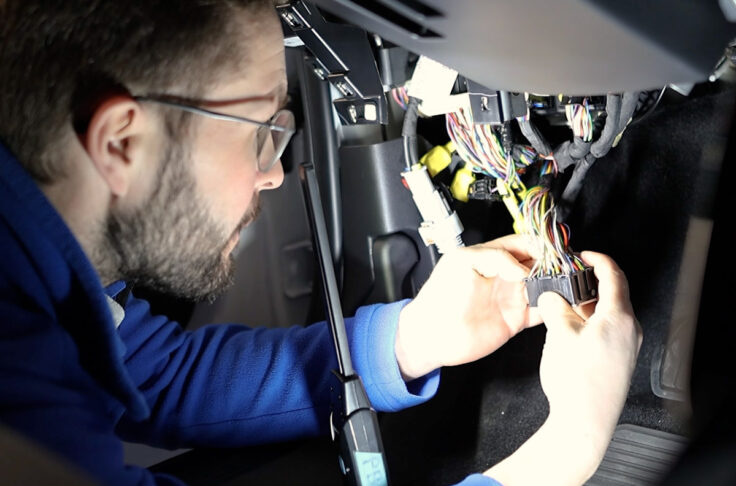
How We Solve Vehicle Integration Challenges in Car Sharing
Successful car sharing starts with a deep vehicle analysis to map the CAN bus design of every vehicle. This is the story of our vehicle analysis and support philosophy that makes your car sharing work.