

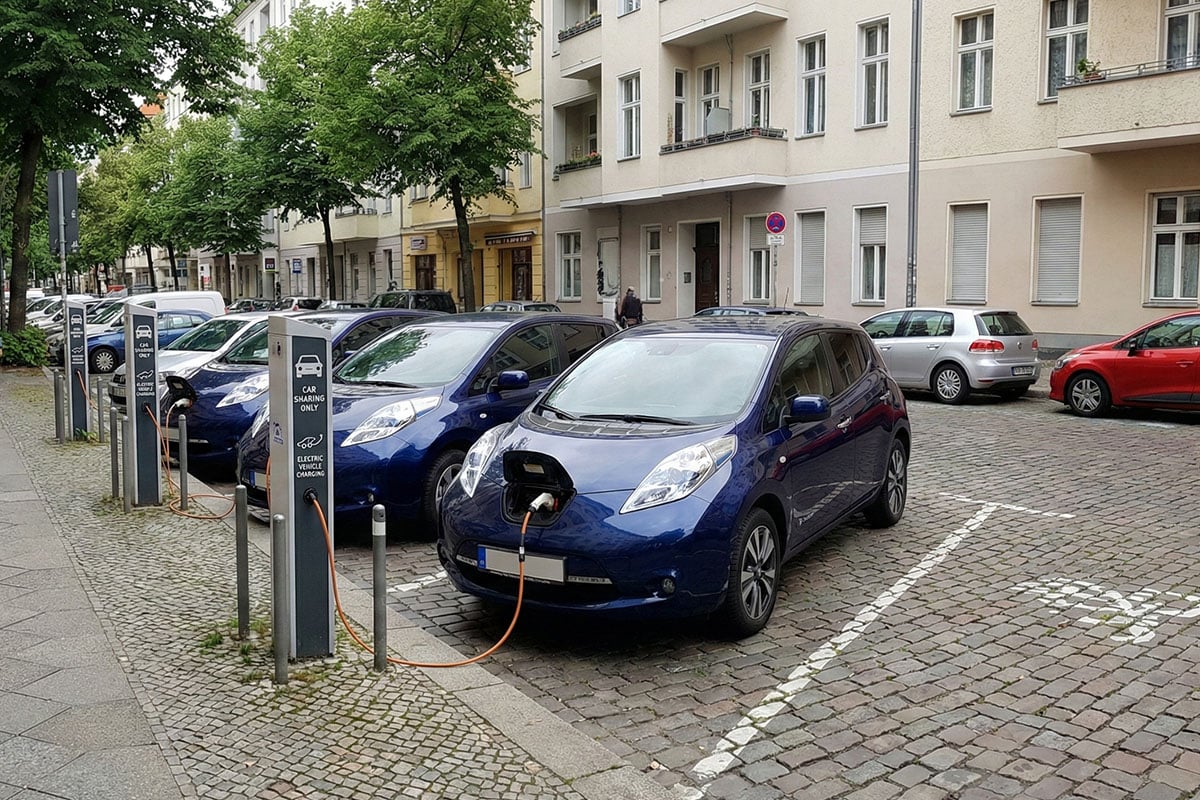
Station-based car sharing is a vehicle access model built on predictability. Vehicles are tied to fixed locations or stations where customers pick them up and return them. This structure offers users the freedom to drive without ownership while giving you a clear framework for fleet management.
In this lesson, you'll learn how station-based car sharing works in practice, why it appeals to both users and operators, and what operational challenges you'll face when running this type of service.
Defining Station-Based Car Sharing
Station-based car sharing relies on fixed locations for both pick-up and return. These stations are strategically placed in areas with high demand, such as near public transit hubs, residential buildings, or corporate offices. The model creates a network of predictable access points throughout a city or region.
The model operates at significant scale.
How the User Experience Works
The process is designed to be straightforward. A customer signs up, then uses a mobile app or website to reserve a specific car for a set period. At the reserved time, they go to the designated station, unlock the vehicle with their smartphone or membership card, and begin their trip.
They can drive for as long as they reserved it. The cost of gas or electricity is usually covered by the operator, along with basic insurance. To finish the rental, they must usually return the car to the exact same station where they picked it up and end the trip through the app. This ensures the car is always available at its expected location for the next booking.
Key Differences from Traditional Car Rental
While both station-based car sharing and traditional car rental services offer temporary vehicle access, they serve different needs. The distinctions matter when you're deciding which model fits your business or usage patterns.
The table below highlights their key differences:
Benefits of Station-Based Car Sharing
This model delivers distinct advantages for users, operators, and communities. These benefits explain why station-based car sharing remains a foundational part of urban mobility strategies.
For Users
Predictability is the main draw. Users know exactly where to find and park a car, which simplifies trip planning. There's no hunting for a vehicle or worrying about where to leave it. The station is always there.
The model also saves users from the costs and hassles of car ownership. The operator handles maintenance, insurance, and refueling. They just book, drive, and return.
For Operators
Simplified fleet management is the operational advantage. Fixed locations greatly reduce the need for vehicle repositioning, which lowers a major operational cost. You can also secure long-term agreements for dedicated parking spots, ensuring consistent availability and predictable costs.
This predictability allows for a clearer view of vehicle utilization and demand patterns. It's easier to optimize the fleet and set pricing when you know where each car is supposed to be.
The model's fixed nature also facilitates strong integration with public transport networks and urban planning. This often leads to strategic partnerships and subsidies. Cities see station-based car sharing as a reliable complement to public transit.
Common Challenges in Station-Based Operations
Despite its benefits, the station-based model has distinct operational hurdles. Understanding these challenges helps you prepare for the realities of running this type of service.
Acquiring and Managing Parking
The primary challenge is securing dedicated, cost-effective spots in strategic urban locations. This involves complex negotiations with municipalities, property owners, and transit authorities. The process is often slow and capital-intensive.
"[...] We rely on good parking spaces, especially in city centers, as this is the limiting factor for expansion."

Hermann Trick
CEO | Stadtmobil Stuttgart
Source: Insights Interview on Station-Based Car Sharing with Stadtmobil Stuttgart
Balancing Supply and Demand
While cars are typically returned to their origin station, demand isn't always evenly distributed. Some stations might experience shortages while others have underutilized vehicles. This can lead to inefficient fleet distribution.
You may still need some rebalancing efforts to ensure efficiency. Managing parking strategically across your network becomes crucial.
User Compliance
Late returns can disrupt subsequent bookings. You need systems to ensure vehicles are returned to the correct spot in a clean condition. This requires monitoring, customer communication, and sometimes penalties.
Maintenance Logistics
Maintaining a dispersed fleet still requires efficient logistics. You need to coordinate cleaning, refueling, and repairs across multiple locations. This can impact vehicle availability if not managed well.
Electric Vehicle Charging
For electric vehicles, managing charging infrastructure is critical. You need to ensure sufficient charge for the next user. This becomes more complex as your EV share grows.
"Many operational challenges only surface at higher EV shares: logistics across stations, peak-time availability, and edge cases that don’t fit neat playbooks.”
Paul Kreiner
Product Manager Booking & Electrification Strategy Lead | cambio
Source: Insights Interview on Station-Based Car Sharing with cambio
The Future of Station-Based Mobility
The global car sharing market shows robust expansion. While a mature model, it remains foundational within the shared mobility landscape.
Several key trends are shaping its future. Staying aware of these developments is essential if you want long-term success in this space.
MaaS Integration
Station-based car sharing is becoming a critical component of Mobility as a Service platforms. This offers users a seamless way to combine car sharing with public transport and other mobility solutions in a single app. It's about being part of a larger mobility ecosystem, not operating in isolation.
Electrification
The shift toward electric vehicle fleets is accelerating. This aligns with sustainability goals but requires smart charging infrastructure management. Fixed stations actually make EV charging more manageable than in free-floating models.
Data-Driven Optimization
The use of advanced telematics, AI, and data analytics continues to grow. Operators increasingly rely on data for dynamic pricing, efficient fleet management, and optimal station placement. The more you can learn from your fleet's behavior, the better you can serve your customers and improve profitability.
Strategic Partnerships
Collaborations with municipalities, public transport authorities, and real estate developers remain crucial. These partnerships provide urban integration opportunities and can help secure favorable station locations.
Niche Specialization
Increased focus on specific use cases like corporate campuses and residential communities helps maximize utilization. These targeted deployments often achieve higher success rates than broad market approaches.
Key Takeaways
What is station-based car sharing?
Station-based car sharing relies on fixed locations for vehicle pick-up and return, offering a predictable and structured way to access a vehicle without the burden of ownership.
How does station-based car sharing work?
Users book a specific car for a set time through an app or website, pick it up at a designated station, drive it, and return it to the same station where they started. The operator handles fuel, insurance, and maintenance.
Why should I choose a station-based model?
Users get predictability and cost savings, while operators benefit from simplified fleet management, guaranteed parking, and clear utilization data. The fixed structure makes operations more manageable.
What are the main challenges of operating a station-based service?
Major operational hurdles include acquiring and managing parking in strategic locations, balancing supply and demand across stations, ensuring user compliance with return policies, and managing maintenance logistics across multiple sites.
How will station-based car sharing develop?
The model is experiencing strong growth, with its future tied to EV fleet adoption, integration into MaaS platforms, data-driven optimization, strategic partnerships, and specialized deployments for corporate and residential communities.