The Hidden Cost of Reactive Maintenance in Car Sharing

Key Takeaways
- Reactive maintenance in car sharing means discovering a vehicle problem only after a user, technician, or support ticket surfaces it, often after the damage is already done. The result is constant firefighting: your team resolves one repair while the next issue is already emerging.
- Based on our experience, up to 6.5% of car sharing support tickets are maintenance-related. At a baseline of 30,000 tickets per months, that translates to 1,950 maintenance tickets per month costing over €7,300 in handling alone.
- Operators who move to proactive maintenance report up to a 70% reduction in maintenance tickets, saving over €5,000 per month
What Is Reactive Maintenance in Car Sharing?
Reactive maintenance means addressing vehicle problems only after someone reports them. In car sharing, that’s a weak signal. Not all customers bother to report a warning light, especially on short trips. There is no in-person handover, no driver briefing and no inspection between two rentals. If a warning light was on when the last user returned the car, your team won’t know until the next user calls support, or leaves a one-star review.
This doesn’t mean reactive maintenance can’t work, but it makes your operation hard to plan and keeps it under constant stress.
How Warning Lights Drain Your Operations
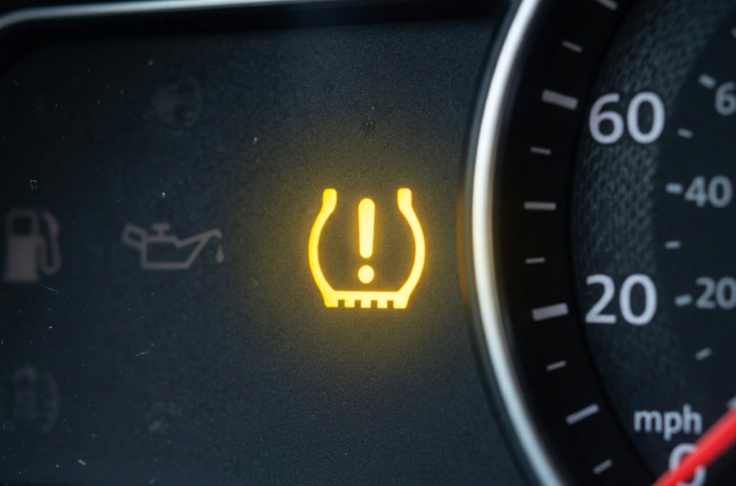
When a user opens a car and sees an unfamiliar dashboard warning light, one of three things happens, each with its own cost:
- They call support, creating a ticket your team has to investigate
- They walk away without driving and call support to get a refund, creating a booking that generates no revenue while blocking the car
- They drive anyway and risk turning a small issue into real damage
A look at day-to-day operations shows just how big an impact warning lights can have for car sharing providers. One of our customers, for example, reports that 10% of their one-star app store reviews mention warning lights in the vehicle.
What Reactive Maintenance Really Costs
Large car sharing operators can receive up to 80,000 support tickets per month. Approximately 6.5% of those are maintenance-related. Maintenance tickets take longer to resolve than average as they often require a technician to be dispatched, or a vehicle to be pulled from the fleet.
Here is an example of what reactive maintenance can cost:

These figures cover handling only. They don’t include the cost of the repair itself, vehicle downtime, lost rental revenue, or customer churn from a bad experience.
INVERS customers have reported engine failures in 11 vehicles within a single month, all caused by coolant hose damage from animal bites, with repair costs of approximately €5,000 per engine. In every case, the warning light had been on, but nobody was notified.
Reactive vs. Proactive Maintenance
The difference comes down to what triggers action.
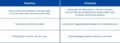
Operators who move to proactive maintenance report up to a 70% reduction in maintenance-related tickets. At a 30,000-ticket baseline, that saves over €5,000 per month in handling costs alone, and frees your support team to focus on complex user issues instead of fielding calls about dashboard symbols.
The Data Points That Make Proactive Maintenance Possible
Most operators already have telematics in their vehicles. The gap is usually not hardware. It is which data points the hardware collects and how quickly that data reaches the right workflow.
Five data points change maintenance in car sharing:
- Warning lights and fault codes
Flags the vehicle before it goes back into the available pool - Fluid levels
Catches low levels of coolant, AdBlue or windshield fluid before they cause failures - Dynamic service interval data
Replaces fixed schedules with intervals based on actual vehicle condition - Battery voltage
Catches electrical failures before they strand a user - Real-time fuel and charge level
Prevents empty vehicles from entering the available fleet
Here is an example of how this works in practice: When battery voltage drops below a threshold or other maintenance events occur, a webhook from INVERS FleetControl can open a maintenance ticket and notify your team simultaneously, with no manual monitoring required. Tools like Make.com, n8n, or Zapier connect these alerts to your existing workflows without custom code.
INVERS Maintenance Data collects warning lights, fluid levels, and service interval data through the same telematics unit that handles keyless access and rental. It’s only one device, one API and one integration to maintain.
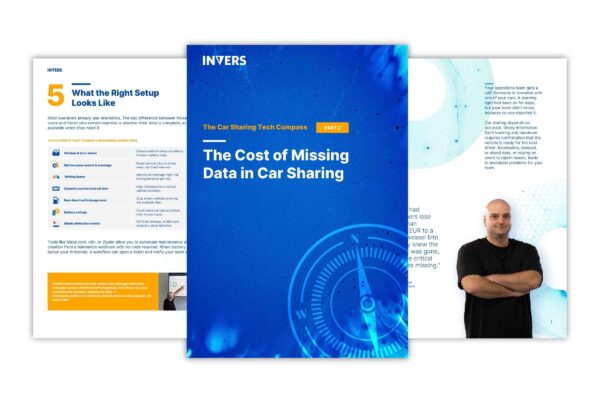
Want The Full Breakdown?
Get even more insights on contextual data and how you can use it to detect smoking violations or risky driving behavior in our White Paper.
Q&A
Can I use telematics to automatically block a vehicle from being booked when a warning light is on?
Yes, you can. When your telematics unit detects an active fault code or critical warning, your fleet management tool can trigger a booking block before the next rental starts, so the vehicle never reaches a customer in a compromised state. You can use your existing telematics connection via API to make this work.
How do I reduce maintenance-related support tickets?
The most direct path is alerting your team to issues before users encounter them. When a vehicle sends a low fluid alert or active warning light, your operations team can act before the next booking, pull the vehicle from the fleet, dispatch a technician, or block it from bookings remotely. Operators who implement this approach report reductions in maintenance tickets of up to 70%.
Do I need a separate device for maintenance data?
No. Advanced telematics devices like the INVERS CloudBoxx collect all data streams through a single unit connected via CAN bus or OBD. This means you only need one API, one vendor, and one device to manage per vehicle instead of running parallel hardware for separate use cases, which drains the 12V battery faster and complicates defleeting.
What is the difference between a fixed service schedule and a dynamic one?
A fixed schedule sends a technician to every vehicle every week regardless of its condition. A dynamic schedule that most modern cars use calculates service intervals from actual data, engine load, oil quality, mileage, and driving patterns. It’s important to catch this data on a regular basis, so you always see when a vehicle’s next service is due. That way, vehicles that need attention get it, and the rest stay available for rentals.
Related Posts

Car Sharing, Expert Interviews
GoMore’s Perspective on P2P Car Sharing in Europe
We interviewed Thomas Christensen, COO of the GoMore Group, on his expertise in P2P car sharing. He shared valuable insights on, for example, learnings from running operations across 11 countries and different vehicle types on their platform.
Car Sharing, Technology
How Can Vehicle Health Data Improve Your Car Sharing?
We share our top 5 uses cases for using vehicle health data on warnings lights and service due dates to cut support calls, prevent breakdowns, and keep workshop service intervals on track.

Car Sharing, Expert Interviews
Car Sharing & Public Transport: Mobility beyond traditional mass transit
We talked to Vincent Neumayer, Executive Assistant for Public Affairs at Wiener Linien, about car sharing and public transport. Find out how car sharing and public transport can complement each other and evolve into a concept of public mobility.