

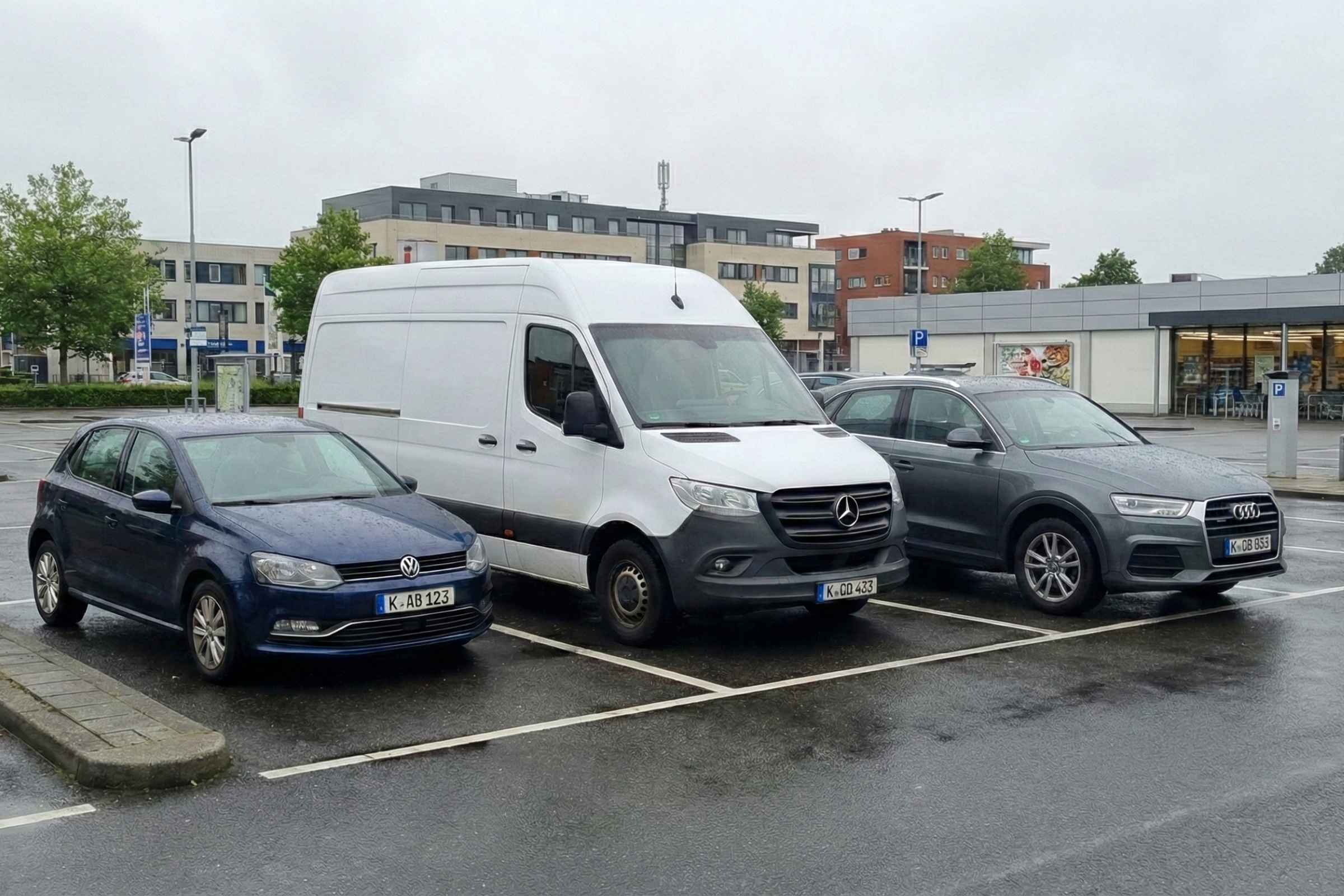
Choosing the right vehicles for your car sharing fleet is a fundamental decision that affects your profitability and daily operations. It's about finding the sweet spot between offering variety that attracts customers and maintaining enough standardization to keep operations manageable.
In this lesson, you'll learn how to select vehicle models strategically, when different vehicle categories make sense, and how to navigate the electric versus combustion engine decision.
Market-Driven Strategy
Your market shapes your fleet. Where you operate should guide every vehicle decision you make.
Dense urban centers have limited parking and short trips. Compact cars are ideal because they're easier to park and more maneuverable. Suburban environments tell a different story. Journeys are longer, households are bigger, and customers often prefer SUVs or mid-sized vehicles.
Your target audience matters equally. Tech-savvy urban residents might prioritize efficient, modern models for errands. Families need more space for weekend travel. Match your fleet to the prototypical trips your users make.
If car sharing already exists in your target markets, check what vehicles they're using. This shows you proven models and can reveal gaps you could exploit.
Key Selection Criteria
Fleet Aquisition
Your first big financial decision is whether to purchase or lease. Leasing preserves cash flow and lets you upgrade more frequently, but often comes with strict terms like mandatory service intervals. Purchasing gives you control but adds complexity when it's time to sell.
Customer appeal
Customer appeal is critical. Your vehicles should align with your brand positioning. Basic models work fine for targeting price-conscious customers. When building a premium product, customers expect newer models with modern features.
Technology
Finally, ensure your telematics is compatible with your fleet. The best units are vehicle-agnostic and work with almost any make or model. Limited compatibility locks you out of certain vehicles, especially newer ones using advanced architectures like CAN FD. Selecting flexible, future-proof technology ensures you can always choose the best vehicles for your market.
What are the best models?
There's no single best car sharing vehicle. Still, some models stand out in fleets:
- Volkswagen Polo
- Opel Corsa F
- Citroën C3
- Renault Clio
- Fiat 500
- Volkswagen ID3
They're all compact, urban cars. Car sharing thrives where parking is scarce and maneuverability is essential. For this reason, compact cars like the Volkswagen Polo or the Opel Corsa are very common vehicles in shared fleets. They meet nearly all critical criteria for successful operation:
- High in supply, easy to procure
- Affordable to acquire
- Easy to drive and park
- Predictable maintenance costs
- Large resale market
However, the market is changing. For example, Ford discontinued the Fiesta in 2023, a then popular model for car sharing. European manufacturers are shifting toward larger SUVs and crossovers. These larger vehicles present challenges for urban operators: higher costs and parking difficulties.
Emerging manufacturers, including Chinese brands, are filling the gap. Models like the MG3 offer modern technology at competitive prices. But we don't yet have multi-year operational data from fleets using these vehicles. If you're considering them, verify local service networks and parts availability first.
Specialized Categories
Standard cars are the backbone of most fleets. They're ideal for high-frequency urban trips and get used daily.
Vans offer specialized service that attracts new demographics. Private users need them for moving house or transporting furniture. Business customers like craftsmen need extra cargo space.
For the largest German operator, MILES Mobility, adding large vans to their fleet created a convincing USP that allowed them to capture market share.
“[...] transporter sharing saves our users unnecessary extra trips and time. They no longer have to drive to a rental station, return the vehicle or stop at a gas station. The whole process is very convenient.”

Nora Goette
Lead PR & Comms | MILES Mobility
Source: Transporter Sharing in Germany: An Insights Interview with MILES
They now earn extra revenue by selling advertising space on vans that have become a permanent presence in major German cities.
Consider rental patterns carefully. Customers use cars several times a week but rent vans only for rare events. People move houses at long intervals. A van-first service can have many registered users, but they don't return as frequently as car users. Core revenue will likely remain driven by high-frequency standard cars unless you fully commit to vans.
EVs vs. Combustion Engines
The choice between Electric Vehicles and combustion engines is a major strategic decision. EVs align with sustainability goals and help you meet environmental regulations, but they present significant hurdles.
Pricing
EVs have higher initial purchase prices, increasing your startup capital needs. Residual values can be volatile, making long-term ROI harder to predict.
Operational complexity
Charging takes much longer than refueling. For free-floating operators, vehicles are dispersed across a city. You must manage logistics of moving cars to charging stations or risk fines. In station-based models, each station needs charging infrastructure.
Legislation
European manufacturers are shifting toward EVs and SUVs to meet regulations. This, combined with Chinese manufacturers, is changing available vehicles. While gasoline cars are currently simpler to operate with more predictable costs, preparing for an electric future is essential for long-term survival in modern urban markets.
Key Takeaways
What is the best car for my car sharing fleet?
Balance initial costs and leasing rates with long-term factors like residual value, spare parts availability, and customer appeal. Ensure your fleet is compatible with your chosen telematics technology.
Should I focus on a single vehicle model or a variety?
Standardizing simplifies maintenance and training. But offering variety lets you meet different trip preferences, especially if you operate in both dense urban and suburban areas.
Should I add vans to my sharing fleet?
Vans reach new demographics like movers or B2B delivery services. They add value but have much lower rental frequency than standard cars, which usually remain the backbone of daily revenue.
Electric vehicles vs. Combustion. What's better for car sharing?
EVs support sustainability goals but have higher upfront costs and complex charging logistics. Combustion engines offer more predictable costs and simpler operations but may face future restrictions.
How is the automotive market changing for car sharing operators?
Manufacturers are shifting toward larger SUVs, making traditional compacts rarer. Chinese manufacturers like MG are becoming competitors, though you must check their local service and parts networks.