
Reliable Coverage Even in Rural Areas: How Deer Is Expanding their EV Sharing
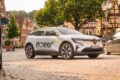


Table of Contents
Company Background
Deer Mobility is Germany’s largest EV sharing provider in rural areas. They are now expanding their services to larger cities such as Stuttgart, Frankfurt and Munich. Nearly 32,000 users can rent a car at more than 550 stations in southern Germany.
Deer’s defining feature is station-flexible car sharing. Customers can start a trip at one station and end at any other in the network. This setup enables one-way trips, for example from a small town to Frankfurt Airport.
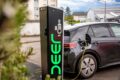
Deer is a subsidiary of Energie Calw GmbH (encw), the regional energy utility in Calw. They build and run their own charging infrastructure and network, with more than 1,300 charging points.
Today, deer’s fleet includes more than 1,200 electric vehicles. About 675 of them are used for car sharing and the rest for car subscriptions.
With their car sharing service, deer wants to offer a reliable mobility option that reaches from the city to the countryside.
Problem
Rural car sharing is seen as harder to run than its urban counterpart. Stations are farther apart, usage density is often lower, and mobile network coverage is not a given.
It also matters more as car sharing fills the gaps public transport leaves in many rural areas.
Especially in rural areas, public transport is often not sufficiently developed. That’s why people here depend on flexible, reliable mobility.
Eileen Stork, Marketing Management, deer GmbH
When deer Mobility launched in 2019, they relied on 3G. Then Germany shut down its 3G network in 2021. Installed telematics units automatically switched to the 2G network, which kept the vehicles online but with far less bandwidth. In rural areas, the weaker signal showed up where it hurts most: at booking and vehicle access.
At the same time, deer was looking to grow their EV sharing network and was already expanding into larger cities in southern Germany, such as Stuttgart and Munich. The old telematics technology held back growth, as each new vehicle model integration took more time, and deer couldn’t expand as fast as demand allowed.
Solution
Looking for a new vehicle access solution, deer chose the INVERS CloudBoxx. It combines vehicle access, connectivity and security functions in one piece of hardware. That makes it ideal for reliable car sharing, in the countryside or in the city.
The switch addressed four needs:
- Keyless access: Users book and unlock their vehicle directly in the app, with no key handover.
- Better network coverage: CloudBoxx replaces the old 3G and 2G technology and reduces connection problems in rural areas.
- Faster vehicle integration: New vehicle models can be added to the system quickly so that fleet decisions are no longer held back by telematics compatibility.
Installation in deer’s own hands: With training and support from INVERS, deer’s technicians install the telematics themselves, allowing deer to set their own rollout pace.
CloudBoxx also supports Smoke Detection and Damage Detection, which flag when a vehicle has been damaged or smoked in. Instead of discovering problems at the next cleaning or service, deer sees them as they happen and has the evidence to bill the responsible customer.
Implementation
The switch to the new telematics generation started in July 2025 with an INVERS workshop for deer’s fleet team. It covered the new CloudBoxx generation and Fleet Control, INVERS’ fleet management dashboard. After the training, deer’s own technicians took over installations. This allowed deer to move their car sharing fleet to CloudBoxx step by step, alongside daily operations and continued expansion.
Results
The CloudBoxx is now the technical foundation of deer’s entire electric car sharing fleet. First results show the switch was worth it:
- Fewer connection drops: Booking and vehicle access have worked more reliably since the switch, even in rural areas.
- Shorter integration times: New vehicle models are ready for customers faster than before.
- Less cleaning and repair effort: The integrated damage and smoke detection makes damage visible earlier.
Deer is now also installing CloudBoxx models that support LTE-M as well as 4G. LTE-M was developed specifically for transmitting small amounts of data, such as booking and status information. In areas with weaker reception, this standard delivers the necessary signals more reliably.
With the new technology, our vehicles are available more reliably and the connection is disrupted less often. Our customers notice that right away.
Eileen Stork, Marketing Management, deer GmbH
Over the coming years, deer wants to expand their network step by step on this basis, giving even more people access to car sharing.
We are proud to support deer with our technology as it brings reliable EV car sharing to more communities and customers.
Running car sharing where coverage is patchy? Talk to us about connectivity that works beyond the city limits. Contact us now!
Related Posts
Car Sharing, Expert Interviews
GoMore’s Perspective on P2P Car Sharing in Europe
We interviewed Thomas Christensen, COO of the GoMore Group, on his expertise in P2P car sharing. He shared valuable insights on, for example, learnings from running operations across 11 countries and different vehicle types on their platform.
Car Sharing, Technology
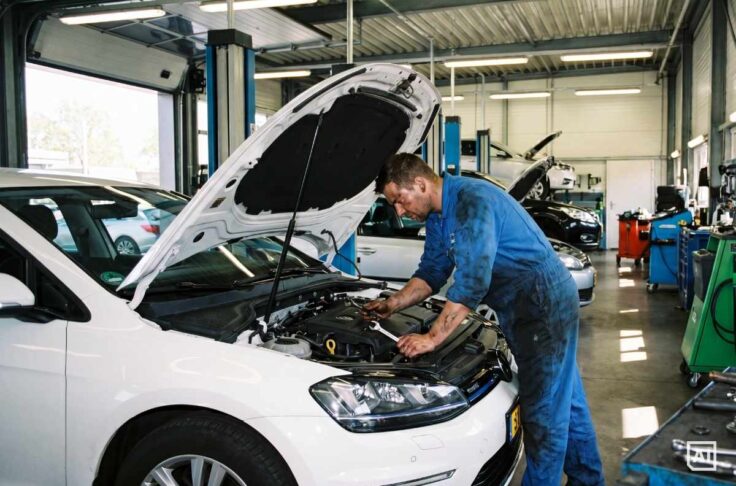
The Hidden Cost of Reactive Maintenance in Car Sharing
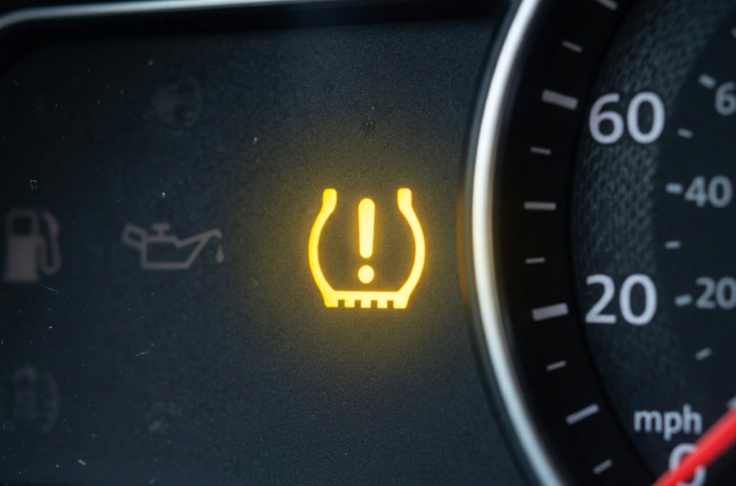
Warning lights and missed alerts cost car sharing operators thousands per month. Here's how to cut maintenance tickets by 70%
Car Sharing, Technology
How Can Vehicle Health Data Improve Your Car Sharing?
We share our top 5 uses cases for using vehicle health data on warnings lights and service due dates to cut support calls, prevent breakdowns, and keep workshop service intervals on track.