

Peer-to-peer car sharing connects private vehicle owners with people who need temporary access to a car. Instead of a company owning the entire fleet, individual owners list their personal vehicles on a platform. This decentralized approach turns idle assets into shared resources.
In this lesson, you'll learn how peer-to-peer car sharing works, why it appeals to both vehicle owners and borrowers, and what operational challenges you'll need to navigate.
Defining Peer-To-Peer Car Sharing
Peer-to-peer car sharing operates on a fundamentally different principle than traditional models. The platform doesn't own the vehicle, private individuals do. The platform acts as an intermediary, managing bookings, payments, and user interactions. This makes it an asset-light business model.
How the User Experience Works
A borrower opens the platform's mobile app or website and searches for available cars nearby. After finding a suitable vehicle, they book it for the required period, often several days in advance, similar to station-based car sharing. Payments are processed securely through the platform, which takes a commission.
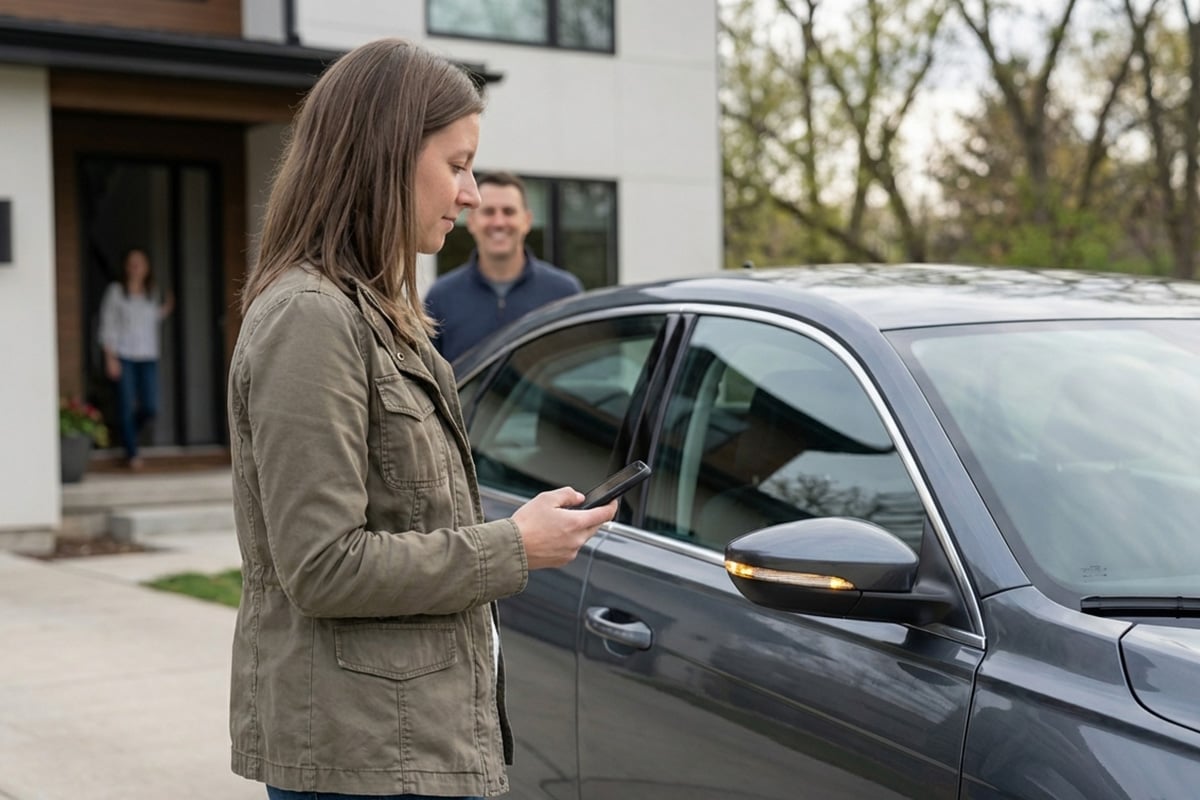
Access to the car can either be traditional key handover or, more commonly, happen through modern telematics devices with smartphone-based keyless systems that allow borrowers to unlock the car with their phone. The vehicle is picked up at a location chosen by the owner, typically their driveway, and returned there or to another agreed-upon spot.
Key Differences from Other Car Sharing Models
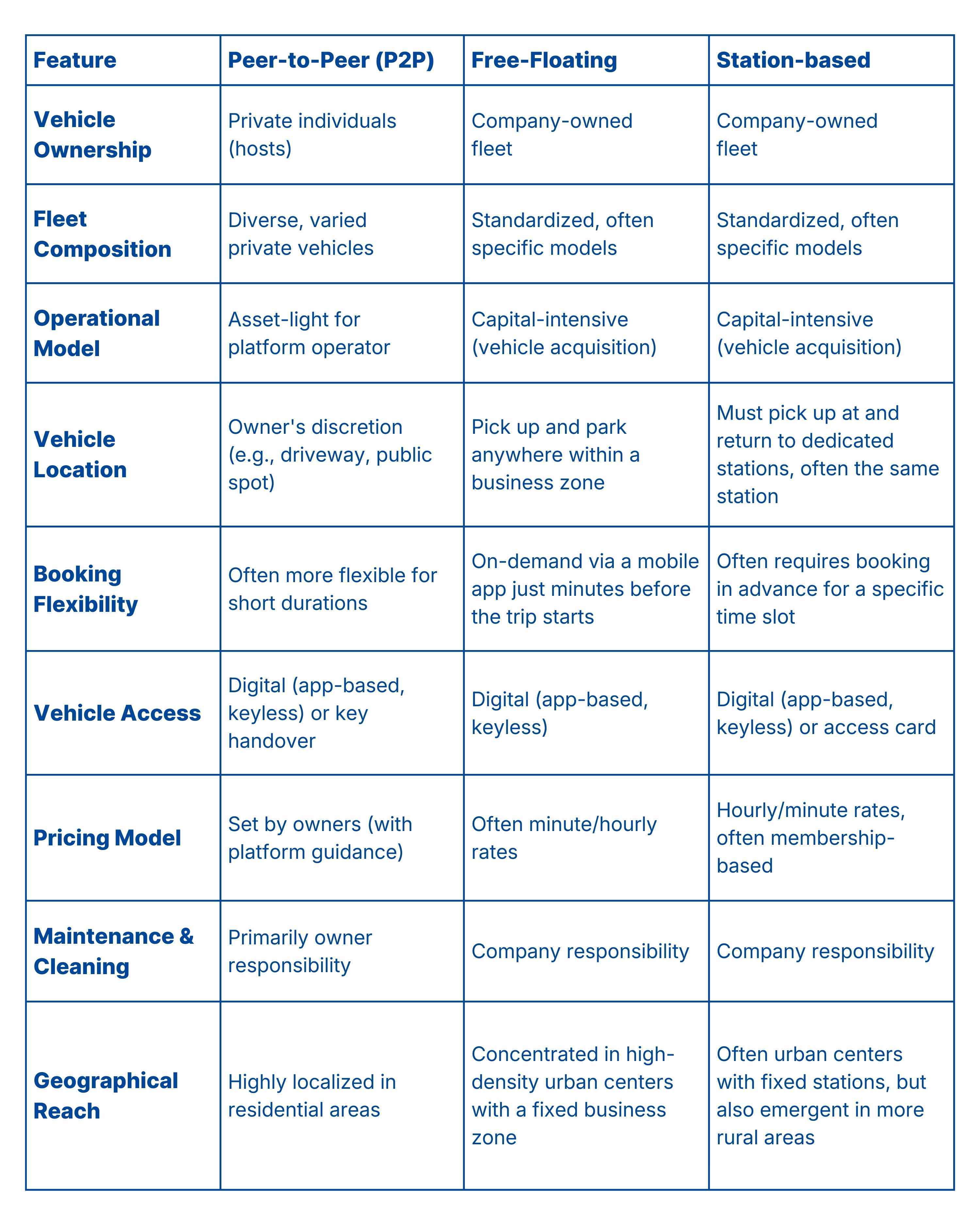
The primary difference is vehicle ownership. In peer-to-peer, vehicles are owned by private individuals. In free-floating and station-based models, the company owns the fleet. This single distinction cascades into different operational dynamics, revenue models, and user experiences.
Benefits of Peer-To-Peer Car Sharing
This model delivers real advantages for vehicle owners, borrowers, and the wider community.
For Vehicle Owners
The greatest benefit is monetizing an idle asset. Most personal vehicles sit unused for the majority of their lifetime. Income from rentals helps offset ownership costs like insurance, maintenance, and loan payments. Owners retain flexibility, setting availability and pricing based on their schedule and local demand.
For Borrowers
Peer-to-peer offers cost-effectiveness and convenience. P2P rentals are more affordable than traditional car rental, especially for longer periods. With vehicles in residential neighborhoods, access is easier than rental counters at airports or suburban areas. Borrowers also benefit from diverse vehicle selection from sedans for errands to SUVs for weekend getaways.
For the Community
Peer-to-peer car sharing can reduce overall vehicle ownership, lowering traffic congestion and carbon emissions in urban areas. It promotes more efficient use of existing resources.
Common Challenges in Operating a Peer-to-Peer Service
The distributed nature that makes peer-to-peer attractive also creates unique operational headaches. Operators must manage two different customer bases simultaneously: hosts and renters.
Trust and Safety
Building trust is critical. Personal auto policies typically don't cover commercial rentals, so the platform must provide robust insurance for both vehicles and liability. Vetting and verifying users through background checks and driver's license validation protects both parties. Clear dispute resolution mechanisms for damage or late returns are essential.
Vehicle Availability and Maintenance
Since the fleet is decentralized, ensuring consistent supply in specific areas is difficult. Unlike company-owned fleets that can be strategically positioned, peer-to-peer vehicles are wherever owners park them. Maintaining standardized cleanliness and condition is challenging when it's the owner's responsibility. Platforms often use rating systems and incentives to uphold quality.
Technology and Connectivity
Technology is the backbone of peer-to-peer service. As one industry leader notes:
"Keyless access is a major enabler of P2P carsharing. It makes the service truly on-demand: drivers can book, unlock, and return a car with their smartphone, without the friction of coordinating with the car owner."

Marie Reboul
CEO | Getaround
Source: Insights Interview on Peer-to-Peer Car Sharing with Getaround
Implementing reliable keyless access across thousands of different makes and models is a another technical hurdle. The platform must also manage extensive data to optimize pricing and identify supply needs.
Regulatory Complexity
Operators must navigate complex and evolving regulations. Regulatory bodies often struggle to categorize peer-to-peer car sharing, leading to legal challenges and sudden law changes. City-specific rules on parking, taxes, and short-term rentals vary widely, directly impacting operations.
The Future of Peer-To-Peer Mobility
Several key trends are driving the evolution of peer-to-peer car sharing.
The Shift to Electric Vehicles
As the global shift toward electric vehicles accelerates, peer-to-peer platforms will see more EVs in their fleets. This aligns with sustainability goals but requires innovative solutions for managing home charging and specialized infrastructure.
Integration into MaaS Platforms
Peer-to-peer services are becoming critical components of Mobility-as-a-Service (MaaS) platforms. This integration offers seamless combination of car sharing with public transport in a single app to make P2P car sharing a part of a larger mobility ecosystem.
Data-Driven Operations
Data analytics and telematics solutions will become even more central. Operators increasingly rely on data for dynamic pricing, predicting maintenance needs, and optimizing customer experience. The more you learn from fleet behavior and user patterns, the better you serve both owners and borrowers.
Key Takeaways
What is peer-to-peer car sharing?
Peer-to-peer car sharing connects private car owners with borrowers through a platform. The platform doesn't own the cars, individual owners do. This lets owners monetize idle vehicles while offering borrowers flexible, cost-effective transportation.
How does peer-to-peer car sharing work?
The platform manages bookings, payments, and user interactions. Borrowers search for vehicles through a mobile app, book for their desired period, and access cars using keyless technology. The platform facilitates insurance coverage and dispute resolution.
Why should I consider a peer-to-peer model?
For car owners, it monetizes idle vehicles and offsets ownership costs. For borrowers, it delivers cost-effective access to diverse vehicles. Overall, peer-to-peer car sharing reduces private vehicle ownership and promotes efficient resource use.
What are the main challenges of operating a peer-to-peer service?
Major hurdles include building trust and safety frameworks, managing a decentralized fleet, ensuring reliable keyless access technology across diverse vehicle types, and navigating complex regulations that vary by jurisdiction.
How will peer-to-peer car sharing develop?
The model is set for continued growth, driven by the shift to electric vehicles, integration into MaaS platforms, sophisticated data-driven operations, and global expansion enabled by its asset-light structure.