

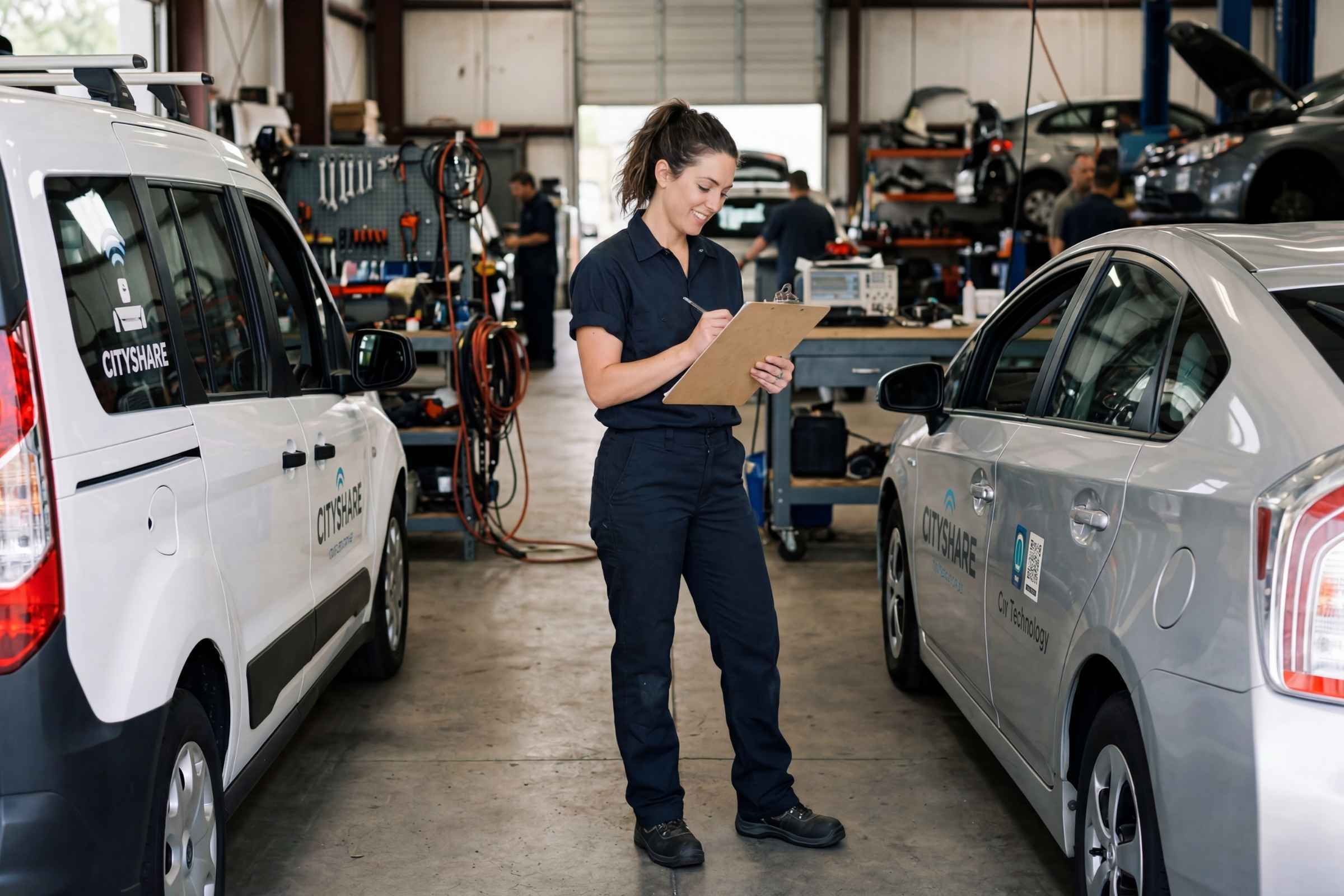
To make sure your car sharing service goes live without any complications, you should prepare your launch checklist. It includes all steps needed to make your cars rental-ready.
In this lesson, we'll walk you through the five areas you should address before your first booking. You'll leave with a clear picture of what your launch checklist should include and why the sequence matters.
Pilot Launch or Full Rollout?
The decision between a pilot and a full rollout is one of the first strategic choices on your launch checklist, and it shapes everything that follows. A pilot launch means starting with a smaller fleet in a defined area, running your operation at reduced scale until you are confident in your processes, technology, and market fit. A full rollout means committing to your full target service area from day one, with the fleet size and operational capacity your business model requires.
Neither approach is universally better. Operators who know their market well, have a proven technology setup, and are working to a fixed funding deadline often benefit from going full from the start. Operators entering a new market, testing a new vehicle type, or building an early-stage team typically get more value from a pilot. The main advantage of a pilot is not speed but learning. It surfaces operational gaps while the cost of fixing them is still manageable.
Flexicar from Australia ran a pilot from February to April 2022, testing various options and configurations of the CloudBoxx before completing installation across a fleet of 520 vehicles months later.
Source: INVERS Success Story with Flexicar
Your Launch Checklist
1. Acquiring Your Fleet
Your fleet is the core of your product, and the decisions you make here will shape your cost structure and service quality for years. Before opening for bookings, you need the right vehicles in the right quantity, sourced through the right ownership model. The choice between leasing and buying, the role of EVs in your mix, and the minimum fleet size that makes your service viable are all questions this step answers. Getting it wrong early is expensive to correct.
Learn more about acquiring your fleet here.
2. Installing, Configuring, and Testing Your Vehicles
Car sharing needs more than the vehicle and an app. Every vehicle requires telematics hardware installed and configured to connect to your platform, enabling remote unlocking and locking as well as real-time tracking. This is the step that turns a regular car into a bookable, connected asset, and it requires both the right installation process and a reliable workflow for adding vehicles as your fleet grows. How you set this up at launch determines how efficiently you can scale later.
Learn more about the initial fleet setup here.
3. Getting Your Vehicles on the Street
After you have turned your cars into connected, shareable vehicles, you need to get them into position for your first customers. Before your first booking, you need a clear answer on where your cars will be parked, whether that means dedicated private stations, permitted on-street spots, or a geofenced zone approach. Each option comes with different setup timelines, permit requirements, and operational implications.
Learn more about getting your vehicles on the street here.
4. Building Your Operations
Car sharing is an ongoing operation. Before launch, you need to define who is responsible for the day-to-day tasks that keep the service running: vehicle checks, customer support, damage handling, and fleet monitoring. That means mapping out your required roles, deciding what to handle in-house versus outsource, and making sure nothing falls through the gaps when the first customers start booking.
Learn more about setting up your team here.
5. Marketing Before You Launch
Your first bookings depend on awareness you build before the service goes live. In the weeks leading up to launch, you can brand your vehicles to generate visibility, build partnerships with local employers and transit providers to reach your target audience, and run pre-registration campaigns to grow a user base before day one. The goal is to have a pipeline that turns early adopters into regular users.
Learn more about marketing activities here.
Conclusion
Your launch checklist helps you get your service ready for everyday operations. Start with acquiring your fleet, get your vehicles connected and configured, bring them to the streets, build the team and processes to keep the service running, and make sure customers are ready to book before you open the doors. Working through each of these steps is what separates a smooth launch from one that stalls at the last step.